Does Insurance Cover a Wet Basement?
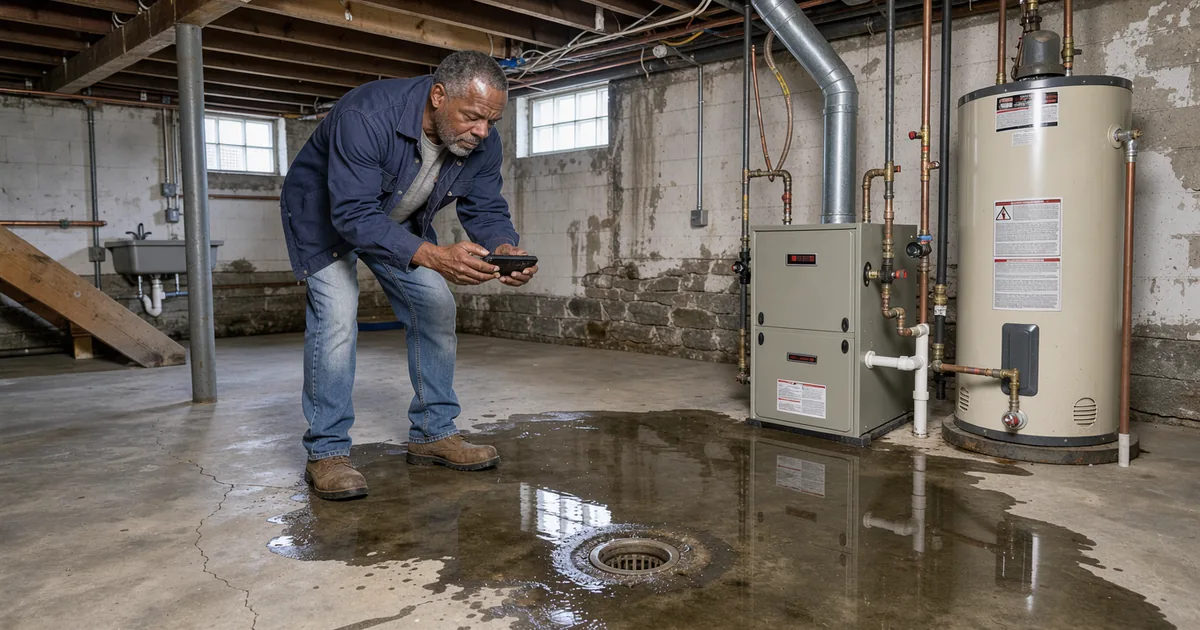
This is general information, not insurance advice; your policy and agent decide what is covered.
Sewer backup. Akron's sewer brochure tells homeowners to check their coverage with their agent, because sewer or wastewater backup coverage may require an addition to the homeowner's policy. A backwater valve lowers the risk either way.
Flood insurance in a basement. FEMA's January 2022 fact sheet says basement coverage under the National Flood Insurance Program is limited. Covered building items include furnaces, water heaters, central air conditioners, sump pumps, electrical boxes, unfinished drywall and foundation elements, plus some cleanup such as pumping out water and treating mold and mildew.
Not covered. The same fact sheet lists finished flooring, finished walls, bathroom fixtures and built-ins, personal property such as couches and televisions, and dehumidifiers that are not part of the heating and air conditioning system. FEMA also notes that a crawl space with its floor below ground on all sides may count as a basement.
What to do now. FEMA advises recording the make, model, serial number and capacity of basement equipment before a flood. Keep receipts for waterproofing work. If you plan to finish the basement, fix the water first; see basement waterproofing.
Seepage. Slow seepage through walls is often treated as maintenance. Ask your agent how your policy treats it.